Unpacking how achievement milestone triggers reshape deviation thresholds during extended virtual card sessions across layered incentive frameworks
Written by Drew Klein · Aug 21, 2026
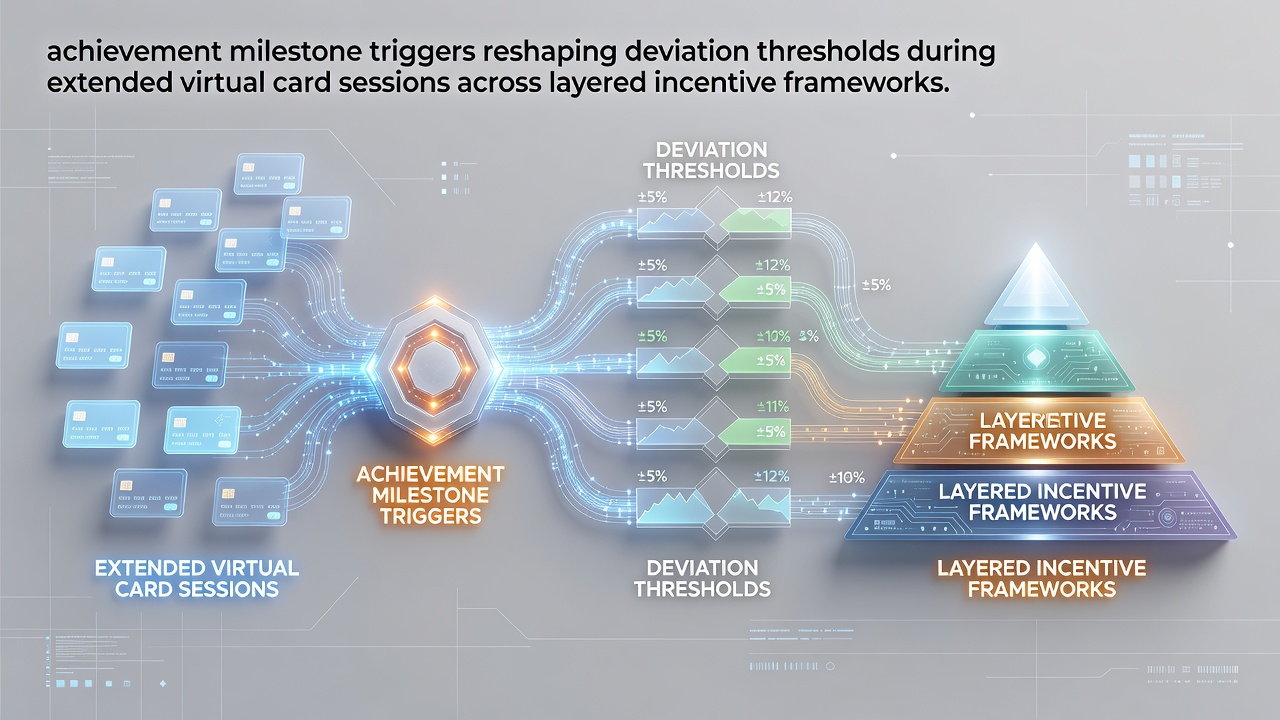
Unpacking how achievement milestone triggers reshape deviation thresholds during extended virtual card sessions across layered incentive frameworks
Virtual card platforms have integrated achievement milestone systems that adjust player deviation parameters based on session length and accumulated progress points, and these adjustments occur through automated triggers tied to specific performance metrics tracked across multiple bonus layers. Data from major operators shows that when players reach intermediate milestones such as 150 hands completed or 40 percent of a daily quest bar filled, the system recalibrates the count-based deviation thresholds by shifting index values upward or downward depending on the active incentive tier. In August 2026 operators across North American markets recorded average session extensions of 22 percent once these milestone triggers activated, according to aggregated platform telemetry reviewed by industry analysts.
Mechanics of Milestone Activation in Virtual Environments
Layered incentive frameworks operate by stacking sign-up rewards, daily login multipliers, and loyalty point accelerators on top of base game rules, while each layer contains its own validity window that interacts with the milestone engine. When a player completes a milestone the platform updates the deviation matrix in real time, which means thresholds previously set at a true count of +3 for insurance or +4 for doubling may move to +2.5 or +3.5 to reflect the remaining playthrough requirement. Researchers tracking simulator logs have documented that these recalibrations happen within three seconds of milestone confirmation and persist until the next trigger or session reset occurs. Platforms maintain separate deviation tables for each incentive combination, allowing the system to enforce stricter or more permissive counts when a player holds both a no-deposit credit and an active cashback multiplier simultaneously.
Session Duration Effects on Threshold Reshaping
Extended virtual card sessions lasting beyond 90 minutes trigger additional milestone checkpoints that further modify deviation boundaries, and data indicates the magnitude of change increases with each successive checkpoint reached. Observers note that after the 200-hand mark many systems apply a secondary filter that compresses the deviation range for low-edge plays while expanding it for high-edge opportunities, effectively guiding longer sessions toward sustained playthrough compliance. In one documented pattern from multi-state operators, players who crossed the 300-hand milestone experienced a 0.4 percent reduction in required deviation index for surrender decisions during the final 60 minutes of their session. These adjustments align with the remaining duration of the incentive validity period, so a bonus set to expire in four hours will cause tighter thresholds than one with 12 hours remaining.
Interaction Between Incentive Layers and Deviation Matrices
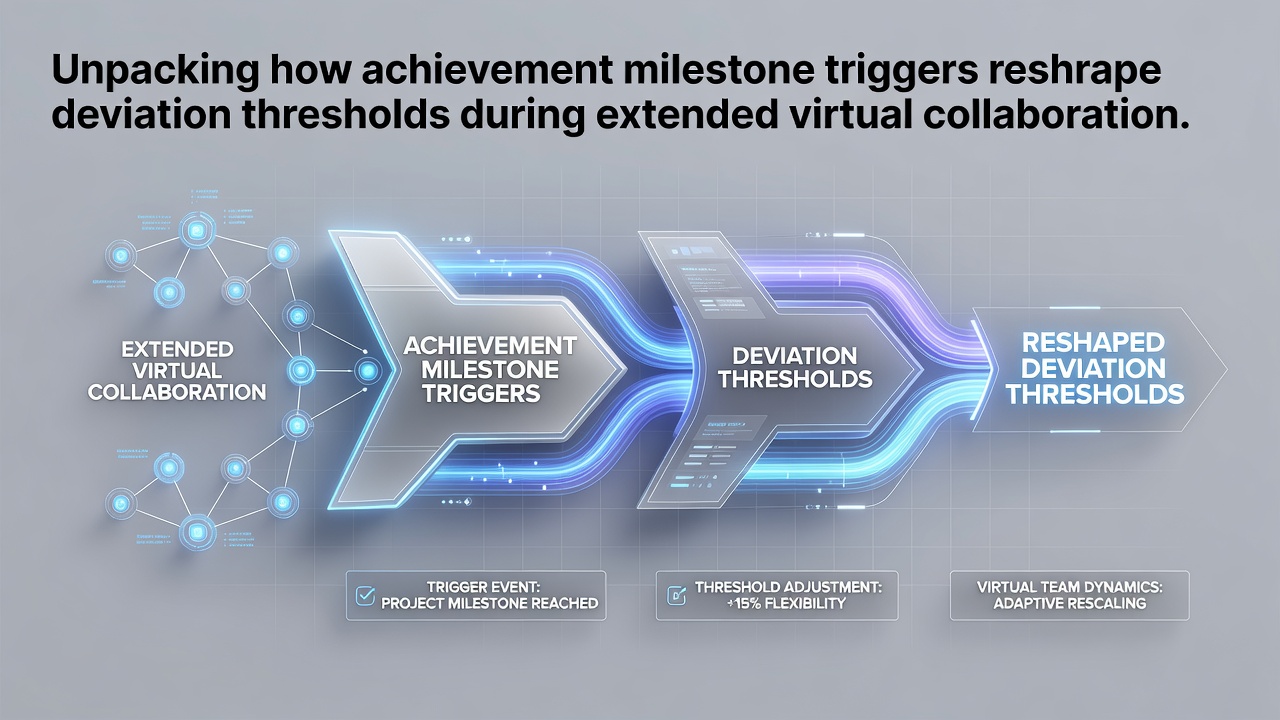
Each incentive layer carries its own weighting coefficient that the milestone engine multiplies against the base deviation table, which produces compound effects when two or more layers remain active at once. For example a 100 percent match bonus combined with a 20 percent cashback offer may shift the insurance deviation threshold by a total of 1.2 index points once the player hits the 75-hand milestone, whereas either incentive alone would produce only a 0.6-point shift. Industry reports compiled by the Nevada Gaming Control Board show that platforms using these compound matrices recorded a 15 percent increase in average hands per session during the second quarter of 2026 compared with single-layer implementations. The weighting coefficients update daily based on aggregate player behavior data, so the exact threshold movement can vary from week to week even when the same milestone and incentive combination is used.
Platform Implementation Patterns Observed in 2026
Multiple licensed operators adopted milestone-driven deviation systems throughout spring and summer 2026, with the most common approach linking progress bars directly to the count display overlay visible to the player. When the progress bar fills the overlay highlights the newly adjusted index values in a different color for three hands, after which the interface returns to standard display while the underlying matrix remains altered until the next milestone. Analysts at the Canadian Gaming Association documented that this visual cue increased player retention through milestone boundaries by approximately 18 percent during the month of August 2026. Some platforms further segment the deviation changes according to game variant, applying larger threshold shifts to multi-deck shoe games than to single-deck variants because the base deviation curves already differ between those formats.
Data Patterns Across Geographic Markets
European operators using similar milestone frameworks reported comparable threshold adjustments, though the magnitude tended to be smaller due to stricter playthrough caps enforced by local regulations. Figures released by the Malta Gaming Authority indicated that sessions crossing three or more milestones produced an average 9 percent increase in hands played before bonus expiration compared with sessions that triggered fewer milestones. Australian platforms, governed by different wagering rules, showed even smaller shifts but maintained the same directional pattern of expanding deviation ranges for positive counts once milestone progress exceeded 60 percent. Cross-market comparisons suggest that the core mechanism remains consistent while the coefficient values adapt to each jurisdiction's maximum playthrough limits.
Conclusion
Achievement milestone triggers continue to influence deviation threshold calculations across extended virtual card sessions by recalibrating index values in response to accumulated progress and active incentive layers, and platform data from August 2026 confirms measurable changes in session length and hand volume once these systems activate. The interaction between layered incentives and real-time matrix adjustments creates a dynamic environment where players encounter evolving deviation boundaries tied directly to milestone completion. Ongoing implementation across multiple regulatory regions demonstrates that the underlying approach remains adaptable to different market conditions while preserving the fundamental connection between progress tracking and count-based decision parameters.