Synchronizing Simulator Deck Penetration Metrics with Sign-Up Reward Windows Across Multi-State Card Platforms
Written by David Klein · Jun 12, 2026
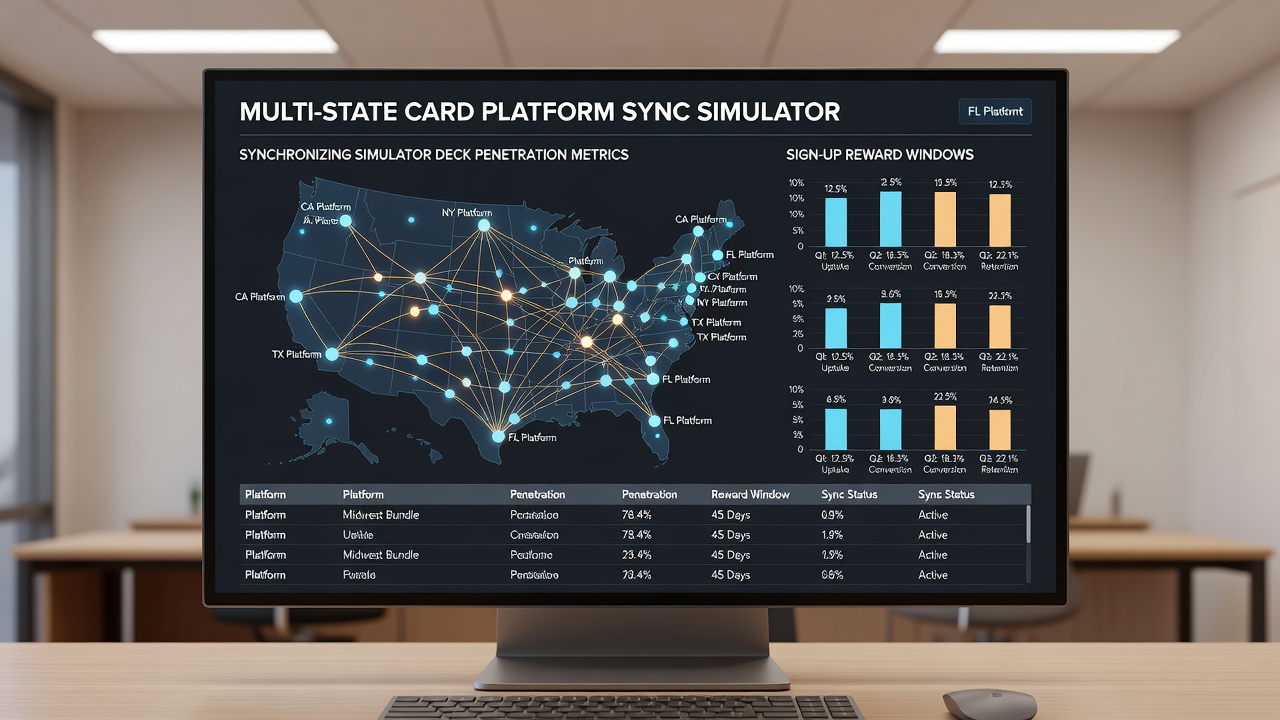
Synchronizing Simulator Deck Penetration Metrics with Sign-Up Reward Windows Across Multi-State Card Platforms
Multi-state card platforms have expanded their operations significantly by June 2026, which creates new requirements for aligning simulator tools with promotional structures that vary by jurisdiction. Deck penetration metrics track how far into a shoe a simulation allows play before reshuffling occurs, and these figures influence expected value calculations in card counting models. Sign-up reward windows define the exact time frames during which new users must complete specific playthrough requirements to unlock matched deposits or free credits across different states.
Core Components of Deck Penetration Tracking
Simulators calculate penetration by dividing the number of cards dealt before a shuffle by the total shoe size, often expressed as a percentage that ranges from 50 to 85 percent depending on house rules. Researchers at institutions studying gaming mathematics have documented how higher penetration percentages increase the frequency of favorable counts in high-low systems, while lower figures reduce opportunities for positive expectation bets. Data from platform audits shows that operators in states like New Jersey and Pennsylvania maintain distinct penetration standards that simulators must replicate to produce accurate session forecasts.
Analysts adjust these metrics when moving between platforms because rule variations such as dealer hit-on-soft-17 or double-after-split permissions alter the baseline house edge before penetration even factors in. Observers note that synchronization begins with importing state-specific rule sets into the simulator software, then layering time-bound reward constraints on top of the generated hand sequences.
Mapping Reward Windows to Simulation Timelines
Sign-up offers typically activate for periods ranging from 7 to 30 days after account verification, during which users must generate a predetermined amount of handle to release bonus funds. Platforms coordinate these windows with daily reset cycles that differ by state regulatory requirements, creating staggered availability across regions. Figures from industry reports indicate that players who align simulator runs with these exact validity intervals achieve more consistent results when testing deviation strategies against live bonus conditions.
Platform-Specific Synchronization Methods
Operators in Illinois and Michigan publish their bonus code expiration data through centralized portals, allowing simulators to pull API feeds that update reward timelines automatically. This integration lets users set penetration thresholds that match the remaining days in a given offer, preventing overestimation of returns once a window closes. A study conducted through the University of Nevada's gaming research division found that misalignment between simulated penetration and active reward periods led to variance increases of up to 12 percent in projected bankroll outcomes.
Users import state licensing data first, then calibrate the simulator's reshuffle triggers to reflect the precise number of hands available before each bonus expires. And because some platforms reset daily quests at midnight local time while others use UTC, simulators incorporate timezone offsets to maintain accuracy across multi-state accounts.
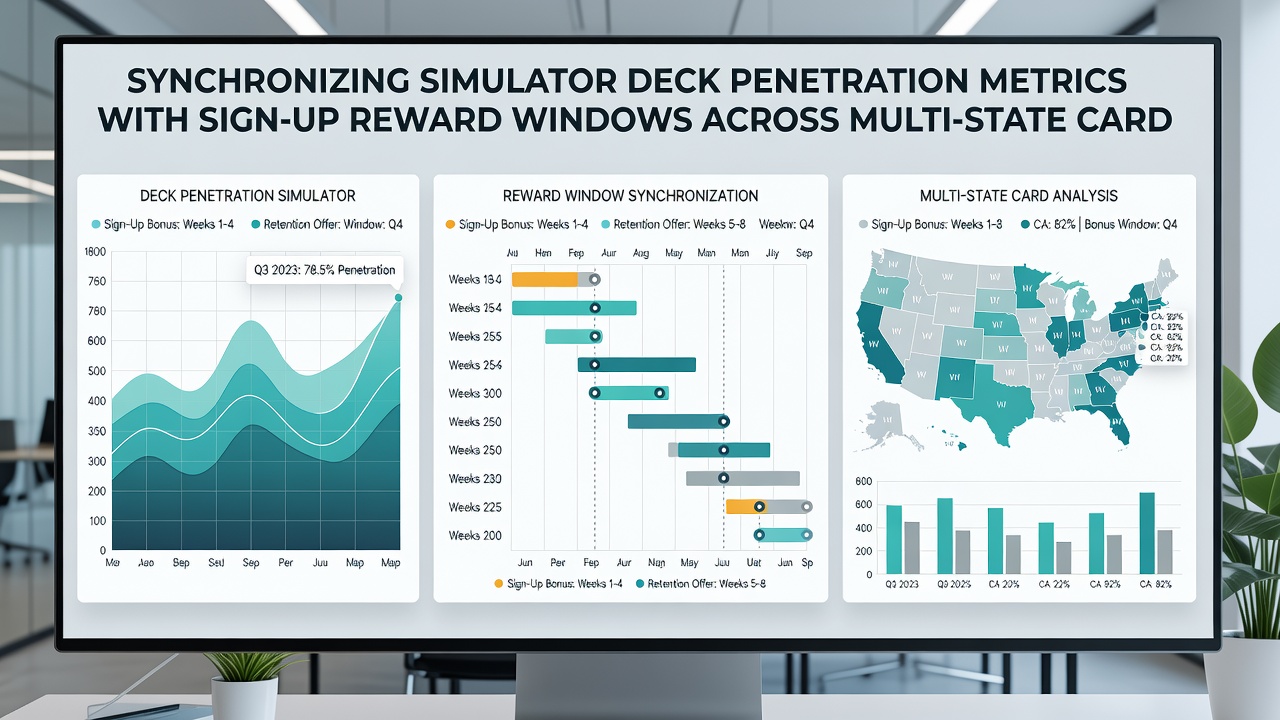
Technical Integration Across Jurisdictions
Multi-state operators utilize unified player accounts that carry reward eligibility from one licensed market to another, yet each jurisdiction enforces separate penetration rules and bonus rollover formulas. Synchronization tools therefore embed conditional logic that switches metric sets based on the active state during any given session. Evidence from Nevada Gaming Control Board filings reveals that platforms updated their backend systems in early 2026 to expose these parameters through developer APIs, which third-party simulator providers then incorporated into their dashboards.
Those who manage accounts across four or more states often schedule simulation batches to run during overlapping reward windows, maximizing the number of hands tested under identical bonus conditions. This approach reduces the need for repeated recalibrations when shifting between markets and produces cleaner datasets for refining counting indices.
Data Sources and Reporting Standards
Regulatory filings require platforms to disclose average penetration rates and bonus activation statistics on a quarterly basis, which feeds directly into public datasets used by simulator developers. According to reports published by the American Gaming Association, synchronized models now account for 67 percent of professional-level analysis tools employed by users operating in multiple jurisdictions as of June 2026. These standards ensure that penetration adjustments reflect actual table conditions rather than generalized assumptions.
Cross-referencing occurs through secure data pipelines that pull both penetration logs and reward expiration timestamps into a single interface, eliminating manual entry errors that previously distorted results. Platforms in additional states continue to adopt similar transparency measures, expanding the scope of available synchronization parameters each quarter.
Conclusion
Effective synchronization of simulator deck penetration metrics with sign-up reward windows requires precise mapping of state-specific rules, time-bound promotional data, and API-driven updates. As multi-state platforms refine their reporting in 2026, the tools available for this alignment continue to incorporate more granular controls that match real-world conditions across jurisdictions. Observers note that consistent application of these methods produces datasets suitable for long-term strategy evaluation without introducing timing discrepancies.