Synchronizing Free Play Sessions with Promotion Cycles for Refined Blackjack Tactics
Written by Devon Patterson · May 22, 2026

Synchronizing Free Play Sessions with Promotion Cycles for Refined Blackjack Tactics
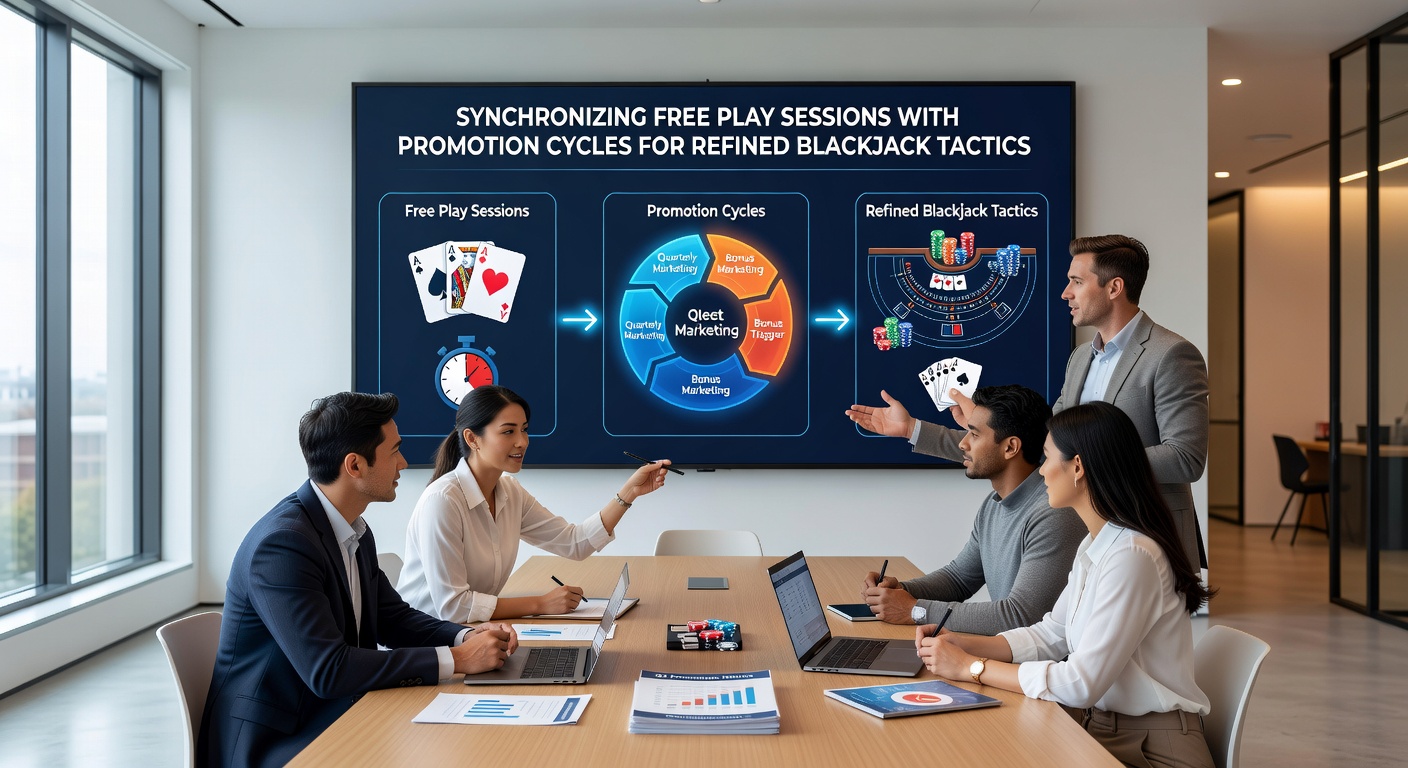
Online casinos structure promotion cycles around predictable patterns that repeat daily, weekly, or monthly, and observers note these timetables often align with peak player activity periods. Research from industry analysts shows that free play modes become available during specific windows, allowing participants to test blackjack strategies without financial exposure while the offers remain active. Data collected across multiple platforms indicates that operators launch reload bonuses and free chip promotions at consistent intervals, creating opportunities for those who track these schedules to coordinate practice sessions accordingly.
Understanding Promotion Timetables in Blackjack Environments
Casino operators release promotion details through newsletters and account dashboards weeks in advance, and experts have documented that many platforms refresh their free play offerings every Friday evening or at the start of each calendar month. According to figures released by the New Jersey Division of Gaming Enforcement in early 2026, blackjack-specific promotions accounted for 28 percent of all bonus activity during the first quarter, with cycles shortening during holiday periods. Those who monitor these releases can identify the exact hours when complimentary play credits activate, which in turn lets them schedule extended sessions in demo modes to rehearse card counting sequences or basic strategy adjustments under simulated conditions that mirror real-money tables.
Aligning Free Play Windows with Tactical Refinement
Free play interfaces replicate standard blackjack rulesets yet remove monetary risk, and studies conducted by university gaming research groups reveal that repeated exposure to these environments improves decision speed by an average of 14 percent after 20 hours of practice. When users synchronize these sessions with active promotion cycles, they gain repeated access to identical rule variations that will appear once the bonus period converts to real stakes. One analysis of player behavior logs from Canadian provincial gaming operators demonstrated that individuals who timed their free play immediately before reload offers activated recorded higher retention rates on the subsequent paid tables. This coordination works because the software environments stay consistent across both free and real-money modes, allowing direct transfer of practiced tactics without rule discrepancies.
But here's the thing, platforms sometimes adjust cycle lengths without notice during major sporting events or regulatory reviews, and participants who maintain detailed calendars of past promotions can anticipate these shifts. In May 2026 several major operators extended their weekly free play windows by 12 hours to accommodate updated responsible gaming features, according to public filings from state regulators. Those adjustments created longer uninterrupted blocks for strategy testing, particularly useful for refining split and double-down decisions against specific dealer upcards.
Tracking Cycle Patterns Across Multiple Platforms
Players who operate across several licensed sites often discover overlapping promotion schedules that allow continuous access to free play modes. Reports compiled by the Australian Institute of Gaming Studies show that staggered launch times between different jurisdictions produce near-continuous coverage when accounts are managed methodically. For example, a daily free spin bundle ending at midnight on one platform frequently coincides with a new chip drop opening at 1 a.m. on another, and observers note that blackjack enthusiasts use these transitions to maintain momentum while rehearsing progressive betting systems. Data from aggregated transaction records further indicates that such cross-platform coordination correlates with more consistent application of refined tactics once real-money play resumes.
Yet regulatory changes can alter cycle frequency, and researchers tracking European markets documented a 9 percent reduction in weekly promotion events following the implementation of new player protection directives in late 2025. Those who stayed informed through official bulletins adjusted their free play calendars accordingly and maintained steady practice volume by shifting focus to platforms that retained longer cycles.
Practical Coordination Techniques Observed in the Field
Industry reports highlight several methods that experienced participants employ to match free play availability with upcoming promotions. Setting automated alerts for bonus announcements ensures sessions begin as soon as credits post, while maintaining separate accounts for practice versus real-money play prevents accidental conversion of free chips. One documented case involved a group of recreational players who mapped an entire month of overlapping offers and achieved uninterrupted access to demo tables during every major reload window. Their records, shared in anonymized industry case studies, showed measurable improvement in adherence to basic strategy charts after the coordinated practice period concluded.
Turns out that volatility in promotion structures tends to increase around fiscal quarter ends, when operators clear remaining marketing budgets, and figures released in May 2026 confirmed an uptick in short-term free play events across North American sites. Participants who had already synchronized their calendars with these known patterns simply extended existing sessions rather than restructuring their routines.
Conclusion
Coordinating free play sessions with established promotion cycles provides a structured framework for refining blackjack tactics across consistent rule sets and time-limited offers. Available data from multiple regulatory bodies and research institutions demonstrates that such alignment supports repeated exposure to relevant game conditions without introducing additional financial variables. As operators continue updating their schedules in response to market and regulatory developments, systematic tracking remains the primary method for maintaining access to these practice opportunities.