Mapping Seasonal Promotion Cycles to Advanced Deviation Techniques in Free-to-Play Card Simulations Across Regulated Platforms
Written by Frankie Hartmann · Jul 24, 2026
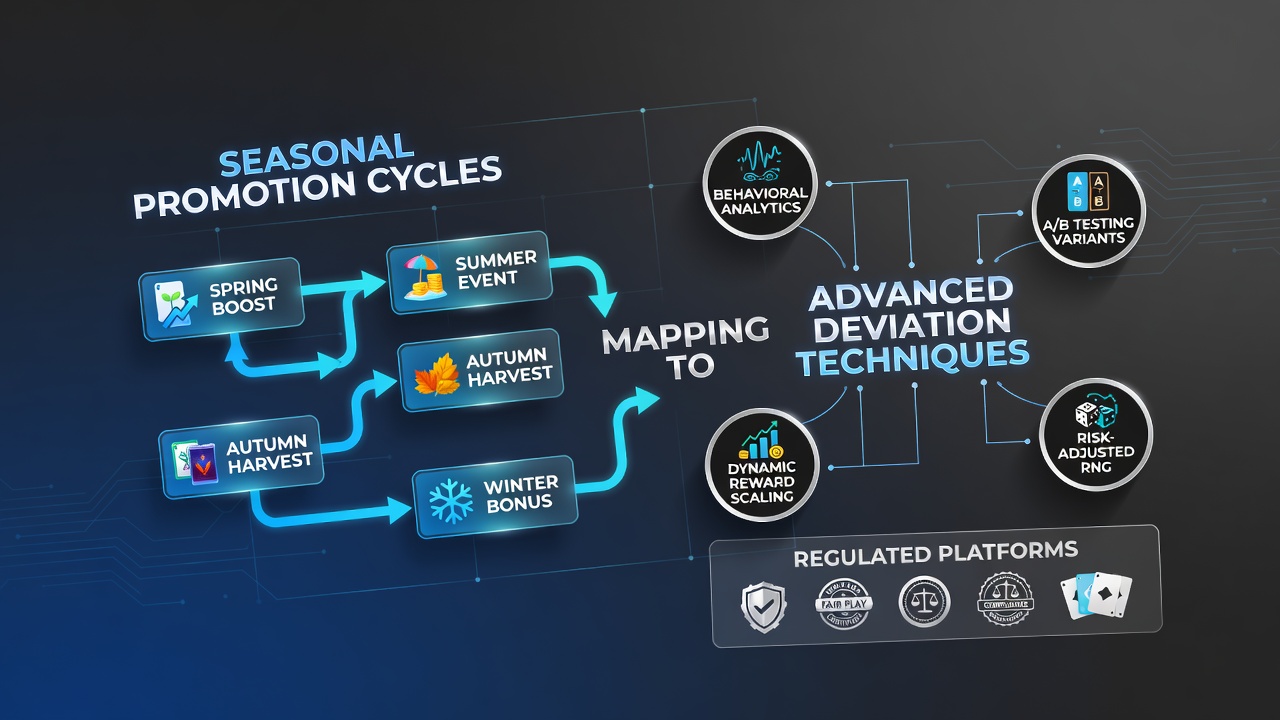
Mapping Seasonal Promotion Cycles to Advanced Deviation Techniques in Free-to-Play Card Simulations Across Regulated Platforms
Regulated platforms across multiple jurisdictions release seasonal promotions at predictable intervals throughout the year, and these cycles frequently coincide with opportunities for users to practice advanced deviation techniques in free-to-play card simulations. Data from state gaming reports indicate that summer months, including July 2026, typically feature increased promotional activity tied to events such as Independence Day celebrations and mid-year player retention drives. Observers note that these windows allow participants to map specific bonus structures onto simulation environments where deviation charts for blackjack and similar games receive focused application.
Seasonal Patterns in Promotional Offerings
Platforms in states like New Jersey and Pennsylvania adjust their free-play incentives according to quarterly calendars, with spring and fall periods often emphasizing deposit match codes while summer campaigns highlight extended session rewards. Research from the American Gaming Association shows that July promotions in 2026 emphasized no-wager entry into simulation modes, creating extended access periods that align with higher true count scenarios where deviation plays such as insurance indexes and surrender decisions become relevant. Those who track these releases find that codes distributed in early July frequently remain valid through the end of the month, matching the timeframe when simulation decks reflect seasonal rule variations.
Deviation Techniques and Their Application in Simulations
Advanced deviation techniques in free-to-play card simulations involve adjustments to basic strategy based on running counts and deck penetration metrics. Studies from regulated market analyses reveal that players utilize these methods during periods when platform algorithms introduce variable shuffle points or rule sets that mirror live conditions. In July 2026, several multi-state operators expanded simulation features to include customizable penetration levels, allowing direct correlation between promotion validity windows and the moments when index deviations yield measurable differences in simulated outcomes. Regulated environments enforce strict separation between free modes and real-money play, yet the data structures remain consistent enough for technique transfer.
Alignment Strategies Across Jurisdictions
Operators in Illinois and Michigan synchronize their daily quest milestones with national holiday promotions, which in turn creates structured practice blocks for deviation mapping. A report issued by the Illinois Gaming Board in mid-2026 documented increased simulation engagement during the first two weeks of July, coinciding with code activations that extended free session lengths. Participants often sequence their practice around these windows because the extended access periods permit repeated testing of multi-deck deviation charts without interruption from reset timers. Platforms in these regions also publish updated rule databases at the start of each promotional quarter, giving users precise information on when specific deviations apply most directly.
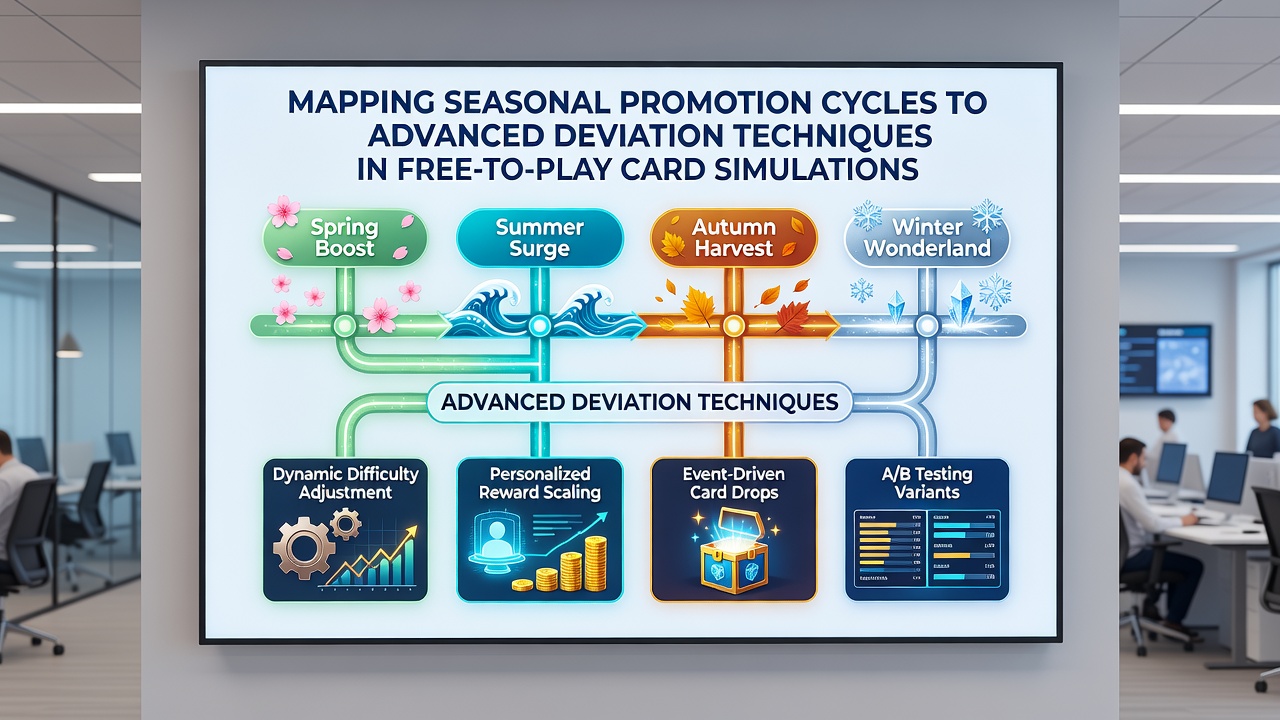
Platform-Specific Implementation Details
Free-to-play environments on licensed sites incorporate timestamped promotion trackers that display remaining validity periods alongside simulation statistics. According to figures released by the Malta Gaming Authority, cross-border operators serving North American users in 2026 began integrating deviation reference overlays directly into their summer simulation interfaces. This integration allows users to reference index plays while monitoring how long a particular bonus code remains active. The approach reduces the need to switch between external charts and in-platform timers, creating a unified workflow that matches promotion expiration dates to the exact deck states where deviations produce the largest simulated variance.
Data Tracking and Regulatory Oversight
Regulated platforms maintain detailed logs of simulation activity during promotional periods, and these records show clear spikes in deviation-related session lengths during July 2026. Canadian provincial regulators, including the Alcohol and Gaming Commission of Ontario, published comparative data indicating that users who aligned their practice schedules with promotion cycles completed more comprehensive deviation testing sequences than those who practiced outside those windows. The logs further reveal that platforms adjust simulation parameters, such as deck composition and count reset frequencies, at the midpoint of major seasonal campaigns to maintain engagement levels.
Conclusion
Mapping seasonal promotion cycles to advanced deviation techniques requires consistent attention to both regulatory calendars and simulation parameter updates across licensed platforms. Data collected through July 2026 demonstrates measurable alignment between code validity windows and the periods when deviation charts deliver the most distinct practice value. Operators continue to refine these systems in response to oversight requirements, while users gain structured access to environments that support precise technique development without crossing into real-money boundaries.