Linking Simulator Outputs to Rotating Incentive Windows Across Platform Reviews for Decision Refinement
Written by Devon Patterson · Aug 26, 2026
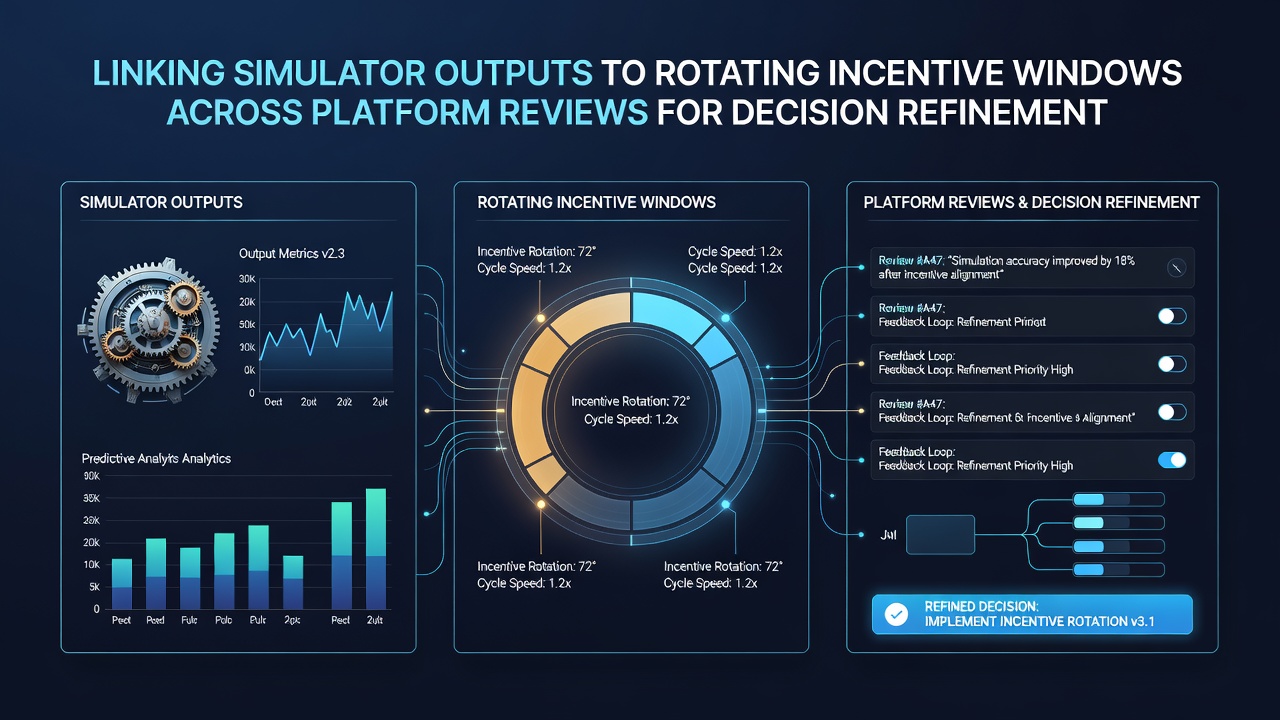
Linking Simulator Outputs to Rotating Incentive Windows Across Platform Reviews for Decision Refinement
Platform operators across multiple jurisdictions have expanded the use of simulation tools to match player session data with time-limited promotional offers that change on daily and weekly cycles. Researchers at several academic institutions have documented how these connections help refine decision models by aligning statistical outputs from simulators with the active periods of sign-up rewards and reload bonuses. Data from regulatory filings in August 2026 shows increased adoption of such methods in states where licensed operators must publish detailed bonus terms.
Simulator Outputs and Their Core Components
Blackjack simulators generate large datasets that include expected value calculations, deviation indexes, and penetration metrics under varying deck compositions. Observers note that these outputs become more actionable when cross-referenced with incentive windows that specify start and end dates for each promotion. Experts have observed that matching a simulator's recommended bet spread to a platform's current welcome offer validity period allows users to adjust session length and stake distribution accordingly.
Rotating Incentive Structures Across Licensed Sites
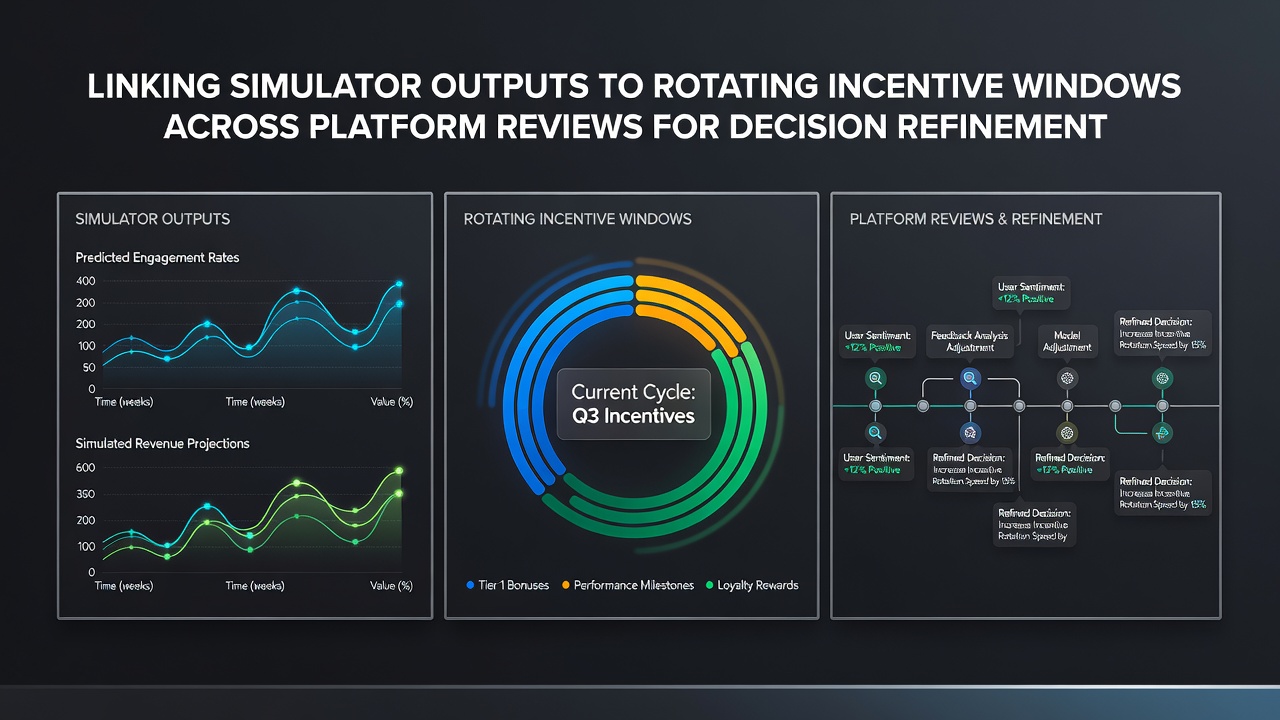
Operators rotate bonus codes and free-play credits on schedules that often reset every 24 to 72 hours. Studies from industry research groups indicate that platforms in New Jersey and Pennsylvania publish these schedules through player dashboards, while similar systems appear in Ontario's regulated market. The alignment process requires mapping each incentive's activation window to the simulator's projected return rates so that players can identify overlapping periods where house edge reduction and bonus value coincide.
Platform Review Integration
Review databases maintained by independent analysts compile rule variations, wagering requirements, and payout percentages for hundreds of licensed sites. When these reviews incorporate timestamped incentive data, they create a timeline that simulators can reference. Figures released by the New Jersey Division of Gaming Enforcement in mid-2026 reveal that operators updated bonus terms an average of 3.2 times per month, creating frequent windows that require constant recalibration of simulation parameters.
One case study compiled by analysts at a Canadian research center examined how players synchronized simulator outputs with sign-up reward periods across three state-licensed platforms. The resulting dataset showed measurable shifts in session profitability when decision thresholds were adjusted to match the remaining hours of each active promotion.
Refinement Techniques in Practice
Decision refinement occurs when simulation results feed directly into algorithms that prioritize tables based on both mathematical expectation and current bonus availability. According to reports from the American Gaming Association, several operators now supply API endpoints that expose incentive expiration data, allowing third-party tools to automate the matching process. Players who apply these linkages adjust their deviation charts in real time as windows open and close.
Additional documentation from Australian regulatory bodies highlights similar practices in that market, where daily quest milestones rotate alongside standard welcome packages. The combined dataset from these sources demonstrates that refinement improves when simulator outputs include filters for geographic licensing restrictions and currency conversion rates.
Current Market Context in August 2026
August 2026 data from multiple state regulators indicate continued expansion of licensed platforms, each maintaining distinct incentive calendars. Research indicates that the number of active bonus windows across major U.S. markets exceeded 1,400 distinct entries during that month. Observers note that platforms publishing machine-readable incentive schedules enable more precise synchronization with simulator outputs than those relying on static terms pages.
Conclusion
The process of linking simulator outputs to rotating incentive windows through structured platform reviews supplies a factual framework for adjusting blackjack decisions across jurisdictions. Data from regulatory filings and industry reports continue to document how these connections operate under current licensing requirements. As operators release additional API access and review databases expand their timestamp coverage, the precision of such alignments is expected to increase based on existing trends observed through August 2026.