Examining Data Overlaps Between Simulator Outputs and Limited Access Reward Periods in Licensed Environments
Written by Drew Klein · Jul 1, 2026

Examining Data Overlaps Between Simulator Outputs and Limited Access Reward Periods in Licensed Environments
Operators in licensed environments collect extensive simulator outputs that detail probabilities, deck compositions, and payout distributions while they simultaneously monitor limited access reward periods that grant temporary access to enhanced play options or bonus structures, and researchers have documented how these two data streams intersect to shape session planning across multiple jurisdictions. Studies from regulatory bodies show that simulator data often includes metrics such as expected value calculations and variance projections that operators cross-reference with time-bound reward windows to optimize compliance and performance tracking.
Simulator Outputs in Regulated Settings
Simulator outputs in licensed environments generate detailed logs of hand sequences, deviation indexes, and penetration rates that platform providers store for audit purposes, and data from these systems frequently overlaps with reward periods that activate during specific calendar windows such as promotional cycles running through July 2026 in several North American markets. Observers note that when simulator models project shifts in house edge based on rule variations, operators align those projections with the start and end dates of limited access rewards to ensure players remain within approved parameters.
Analysts at organizations like the American Gaming Association have examined how these overlaps allow for predictive modeling where historical simulator runs feed into forecasts about reward utilization rates, and figures from multi-state operators reveal patterns where high-penetration simulator scenarios coincide with the early phases of sign-up reward activations.
Limited Access Reward Structures
Limited access reward periods typically span fixed intervals ranging from 24 hours to 30 days and restrict eligibility to verified accounts within licensed platforms, while simulator outputs supply the quantitative backbone that operators use to validate whether play during those intervals adheres to approved game mathematics. Evidence from Canadian provincial regulators indicates that reward periods tied to no-deposit mechanisms require continuous data feeds from simulators to confirm that deviation charts and count-based strategies remain consistent with licensed rule sets.
Platform databases record every simulator-generated outcome during active reward windows, and this practice creates layered datasets where temporal boundaries of rewards intersect with statistical clusters produced by the simulators, allowing compliance teams to flag anomalies without disrupting ongoing play sessions.
Overlap Analysis Techniques
Overlap analysis begins when operators import simulator logs into centralized compliance dashboards that timestamp each data point against reward period calendars, and software tools then highlight correlations such as elevated win-rate projections that occur only within the first 48 hours of a limited access promotion. Research indicates these techniques rely on timestamp synchronization protocols that match simulator clock data with the precise activation moments of reward codes across different state licenses.
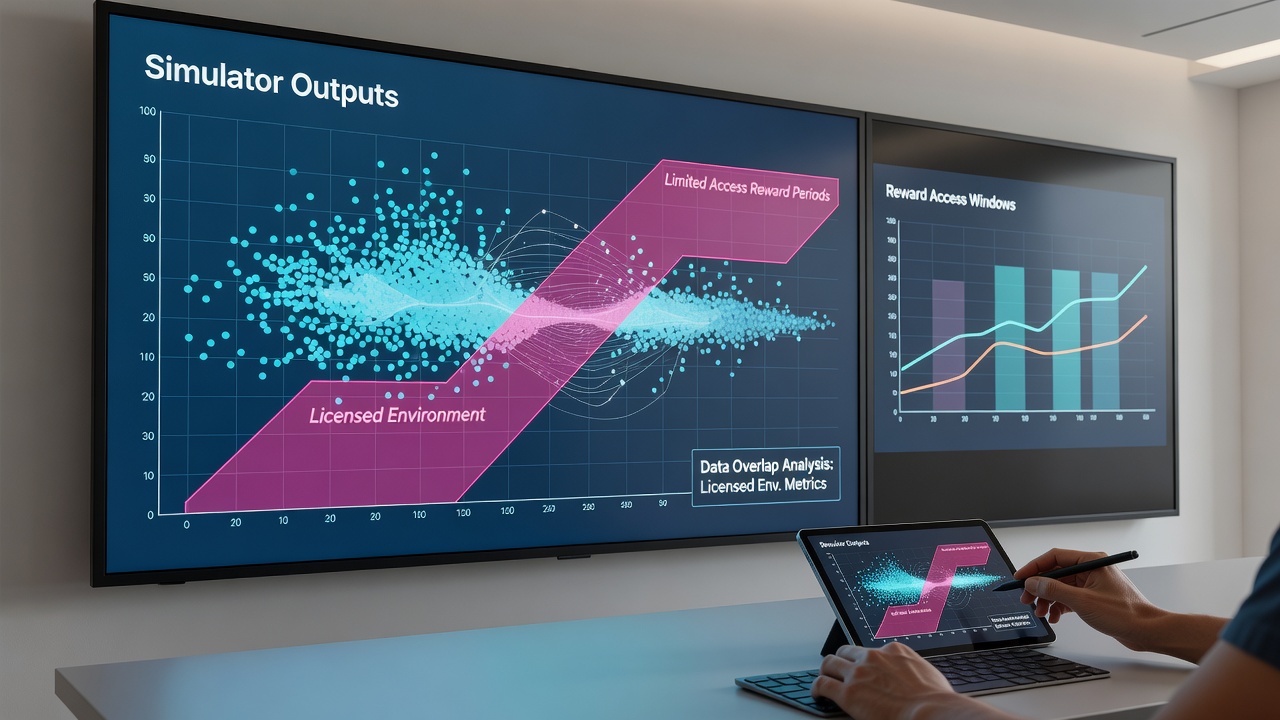
Teams responsible for regulatory reporting extract subsets of simulator outputs that fall inside reward boundaries and compare them against baseline distributions, while external audits conducted by firms contracted through bodies like the New Jersey Division of Gaming Enforcement verify that overlaps do not produce unintended advantages outside licensed tolerances. Data aggregation methods further segment overlaps by geographic license, enabling operators active in multiple regions to isolate patterns unique to each jurisdiction's reward framework.
Regulatory Implications and Data Standards
Regulatory frameworks in licensed environments mandate that operators retain both simulator outputs and reward period records for a minimum of five years, and these requirements drive the development of unified data schemas that facilitate overlap queries during routine inspections. Reports from the Ontario Lottery and Gaming Corporation illustrate how standardized fields for start times, end times, and simulator variables reduce discrepancies when authorities request cross-referenced datasets.
Industry groups have published guidelines that recommend embedding reward period metadata directly into simulator export files, and this approach streamlines the identification of overlaps that might otherwise require manual reconciliation across separate systems. Observers note that jurisdictions updating their technical standards ahead of July 2026 have begun requiring real-time API connections between simulator engines and reward management modules to capture overlaps at the moment they occur.
Future Data Integration Trends
Emerging integration trends point toward machine learning models trained on historical overlap datasets that predict when simulator outputs will most densely intersect with upcoming reward periods, and operators in expanding markets test these models against live platform activity to refine accuracy. Academic collaborations with gaming research centers have produced papers that quantify overlap frequency across hundreds of thousands of simulated sessions, revealing consistent clustering around the midpoint of limited access windows.
Platform updates scheduled for late 2026 incorporate automated tagging systems that label simulator records according to active reward status, and this automation reduces the manual workload for compliance staff while preserving the granularity needed for regulatory submissions. Data sharing agreements between licensed operators and independent testing labs further expand the scope of overlap examinations by pooling anonymized records from multiple environments.
Conclusion
The examination of data overlaps between simulator outputs and limited access reward periods continues to evolve as licensed environments adopt more sophisticated tracking technologies, and current practices demonstrate that synchronized datasets support both operational efficiency and regulatory adherence across diverse markets. Continued refinement of these analytical methods will depend on consistent data standards and cross-jurisdictional cooperation among regulators, operators, and technology providers.