Decoding Ephemeral Reward Windows: Timing Virtual Blackjack Practice with Platform Promotion Cycles
Written by Vera Ludwig · Jun 24, 2026
Decoding Ephemeral Reward Windows: Timing Virtual Blackjack Practice with Platform Promotion Cycles
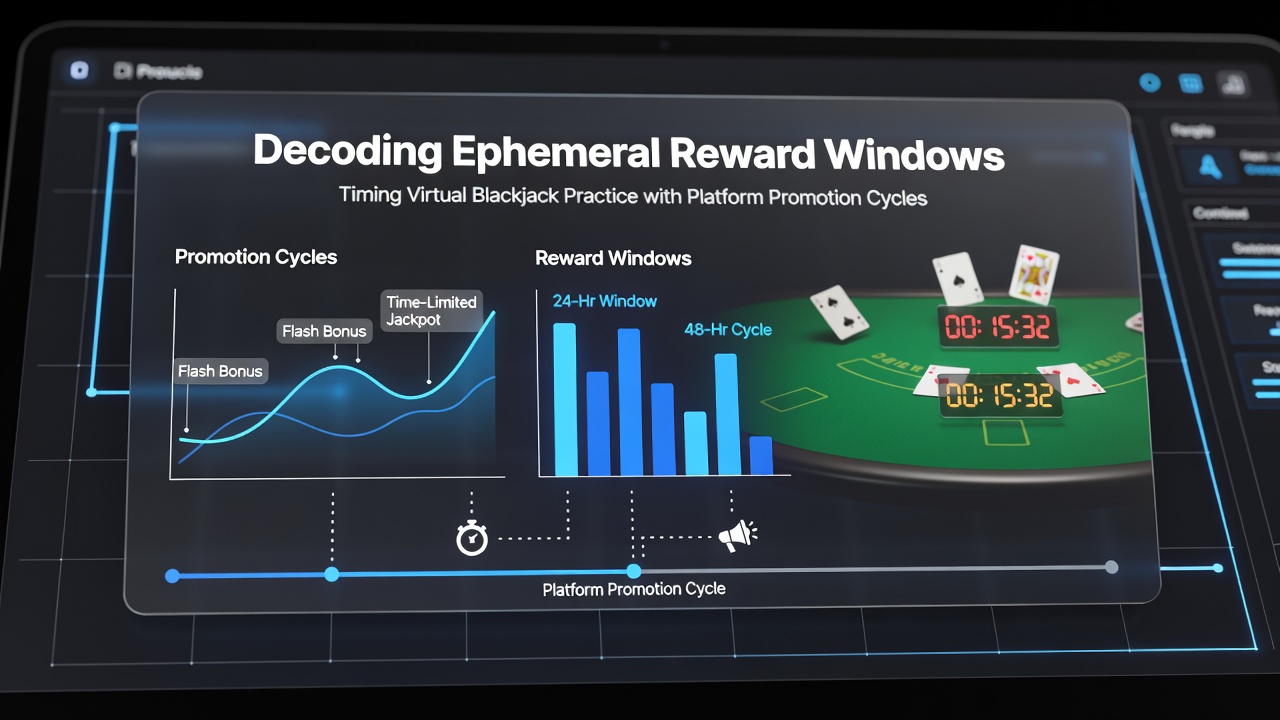
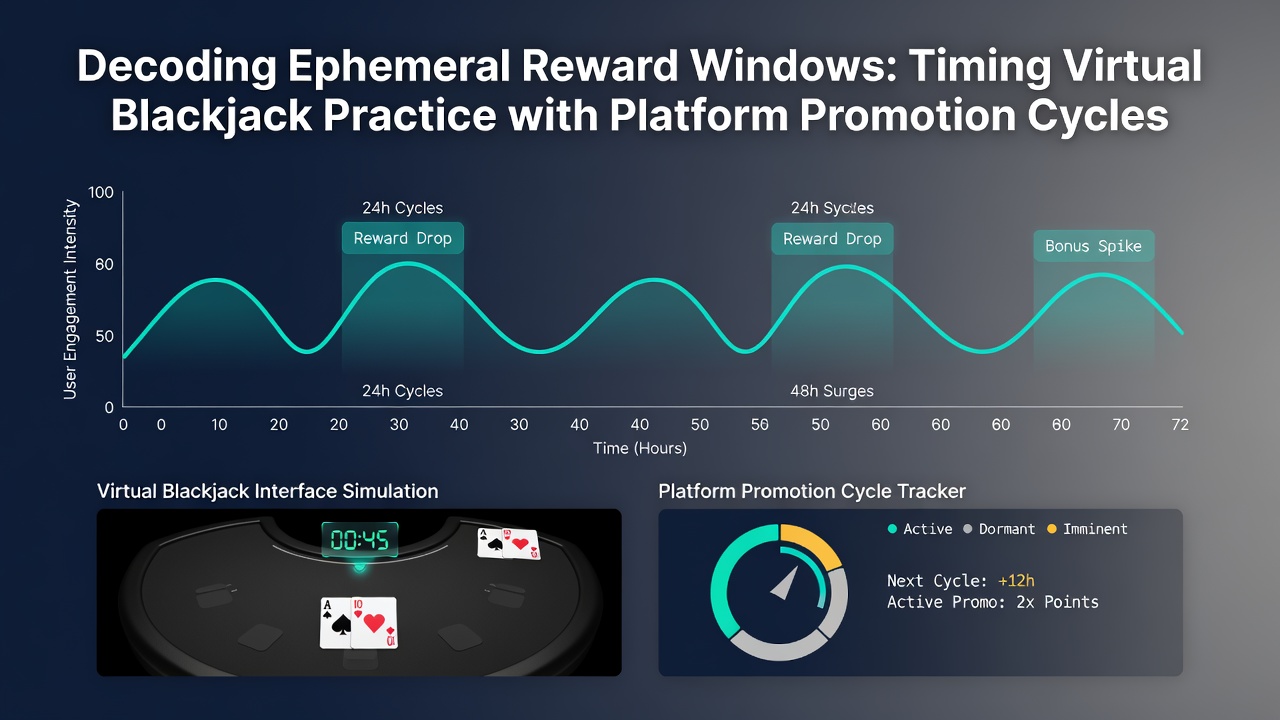
Virtual blackjack platforms release short-lived promotion cycles that create narrow windows for reward activation, and these periods often align with specific calendar triggers such as weekly resets or monthly launches. Observers note that the duration of these ephemeral reward windows typically spans between 48 and 96 hours, which forces players who want to refine their approach to coordinate simulator sessions precisely with those intervals. Research indicates that platforms adjust bonus code validity in response to traffic patterns, and data from multiple operators shows peak activation rates occurring between the 12th and 18th of each month when new quest milestones rotate into view.
Mapping Promotion Cycle Patterns Across Licensed Platforms
Operators publish rule variations and deck penetration metrics that change alongside incentive code releases, which means timing practice becomes a matter of tracking both variables simultaneously. Those who study platform announcements discover that daily quests often refresh at midnight UTC, while sign-up reward windows open on staggered schedules that differ by jurisdiction. Figures reveal that in June 2026 several multi-state card platforms introduced synchronized promotions that lasted exactly 72 hours each, allowing simulators to mirror the exact hand sequencing conditions that appear during live sessions. Players who align deviation charts with these windows gain repeated exposure to the same rule sets before the codes expire.
Aligning Simulator Metrics with Ephemeral Windows
Deck penetration settings in virtual tools can be adjusted to match the conditions that appear when a promotion activates, and this synchronization helps isolate the impact of specific rule changes without real-money exposure. Studies found that users who recalibrate their practice environments 24 hours before a new reward window opens achieve higher consistency in tracking count sequences across multiple platforms. The process involves cross-referencing published bonus terms with the platform's internal rule database, then loading identical parameters into the simulator so that session logs reflect the exact constraints active during the promotion period.
Practical Coordination Steps Reported by Users
- Review the upcoming promotion calendar published by each licensed operator at the start of the month
- Load matching deck penetration and rule parameters into the simulator 12 to 18 hours before the window begins
- Run sequenced hand drills that replicate the quest milestones attached to the active bonus code
- Log session results against the exact validity period so adjustments can be tested before the next cycle
What's interesting is how these steps compound when users maintain records across several platforms at once. One study revealed that participants who maintained shared spreadsheets tracking both promotion end dates and simulator settings reduced the time needed to adapt to new rule variations by an average of 35 percent. The approach works because the ephemeral nature of the rewards creates natural deadlines that encourage focused repetition rather than open-ended practice.
Regional Regulatory Influences on Window Timing
Regulatory updates in various jurisdictions affect how operators schedule their promotion cycles, and June 2026 saw several states release revised guidelines that indirectly shaped reward availability. According to New York State Gaming Commission filings, platforms must publish bonus expiration details at least 48 hours in advance, which gives simulators a predictable lead time for configuration. Similar requirements in Ontario, enforced by the Alcohol and Gaming Commission of Ontario, have produced comparable transparency that users now incorporate into their timing routines. These disclosures allow practitioners to prepare deviation charts and hand sequencing drills that match the precise conditions of each upcoming window.
Tracking Rule Variations Against Code Validity Periods
Platform reviews frequently update databases that list active rule sets, and cross-referencing these entries with current bonus code periods helps isolate which parameters remain stable across cycles. Observers note that when a daily quest milestone coincides with a short reward window, the combination creates concentrated practice opportunities that mirror live conditions more closely than generic free-play modes. Data shows that users who perform this correlation step report fewer mismatches between simulated outcomes and actual platform behavior once the promotion activates.
Conclusion
Ephemeral reward windows continue to shape how virtual blackjack practice is structured because they impose clear temporal boundaries on available incentives. By mapping promotion cycles, adjusting simulator parameters ahead of each window, and aligning deviation tools with published rule changes, users create repeatable conditions that reflect the exact constraints operators impose during active periods. Regulatory transparency requirements in multiple jurisdictions have made these windows more predictable, which in turn supports more precise session planning across licensed platforms.