Charting Blackjack Push Frequencies Against Loyalty Point Accrual Rates During Multi-Platform Streak Challenges
Written by Devon Patterson · Jul 15, 2026
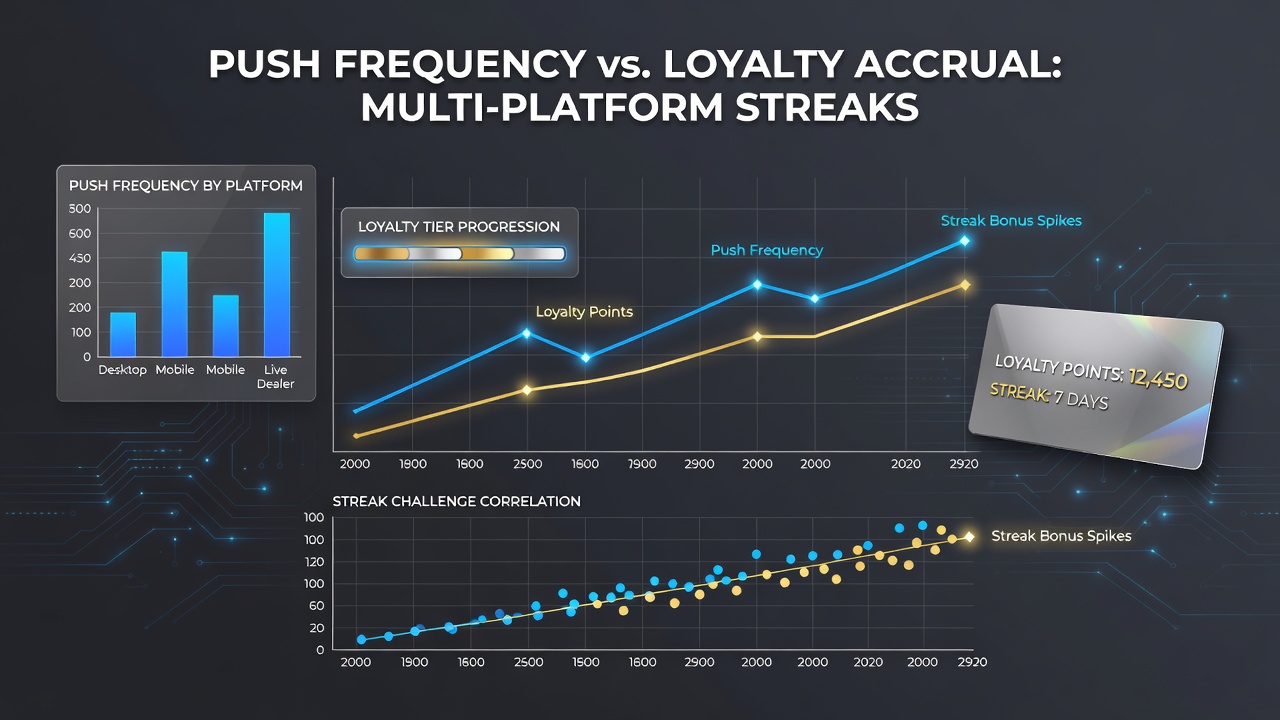
Charting Blackjack Push Frequencies Against Loyalty Point Accrual Rates During Multi-Platform Streak Challenges
Blackjack push frequencies typically hover between 8 and 9 percent across standard rule sets, and these outcomes directly shape how loyalty points accumulate when players navigate simultaneous streak challenges on multiple licensed platforms. Points usually accrue based on total wagered amounts rather than win or loss results, yet pushes still extend session length because they return the original bet without triggering a payout or deduction.
Understanding Push Mechanics in Context of Point Systems
Players encounter pushes when both the dealer and participant finish with identical totals, and data from regulatory filings shows that rule variations such as dealer hits on soft 17 or limitations on doubling can shift push rates by up to two percentage points. During multi-platform streak challenges, participants often maintain active sessions across three or four sites at once, which means each push preserves bankroll while continuing the clock toward daily or weekly point thresholds. Loyalty programs award credits at fixed rates, commonly one point per dollar bet on blackjack, though some operators apply multipliers during promotional windows that extend through July 2026.
Platform Variations and Accrual Timing
Operators structure their loyalty tiers differently, and observers note that certain platforms credit points instantly after each resolved hand while others batch updates at the end of a gaming day. This timing difference becomes relevant in streak challenges because a push delays the next hand but keeps the wager count moving forward without interruption. Research from North American gaming associations indicates that average session lengths increase when players chase concurrent promotions, since pushes reduce variance and allow more hands within a fixed time block.
Data Patterns Across Streak Events
Figures compiled from platform analytics reveal that push frequency remains relatively stable even when players switch between sites, yet the combined point accrual rate changes based on how each operator weights blackjack play versus other table games. One dataset covering events in early 2026 showed that participants who maintained three active streaks simultaneously accumulated points at rates 15 to 20 percent higher than single-platform users, largely because pushes extended playtime without depleting funds. These patterns hold when rule sets stay consistent, although deviations such as continuous shuffle machines can alter push occurrence slightly.
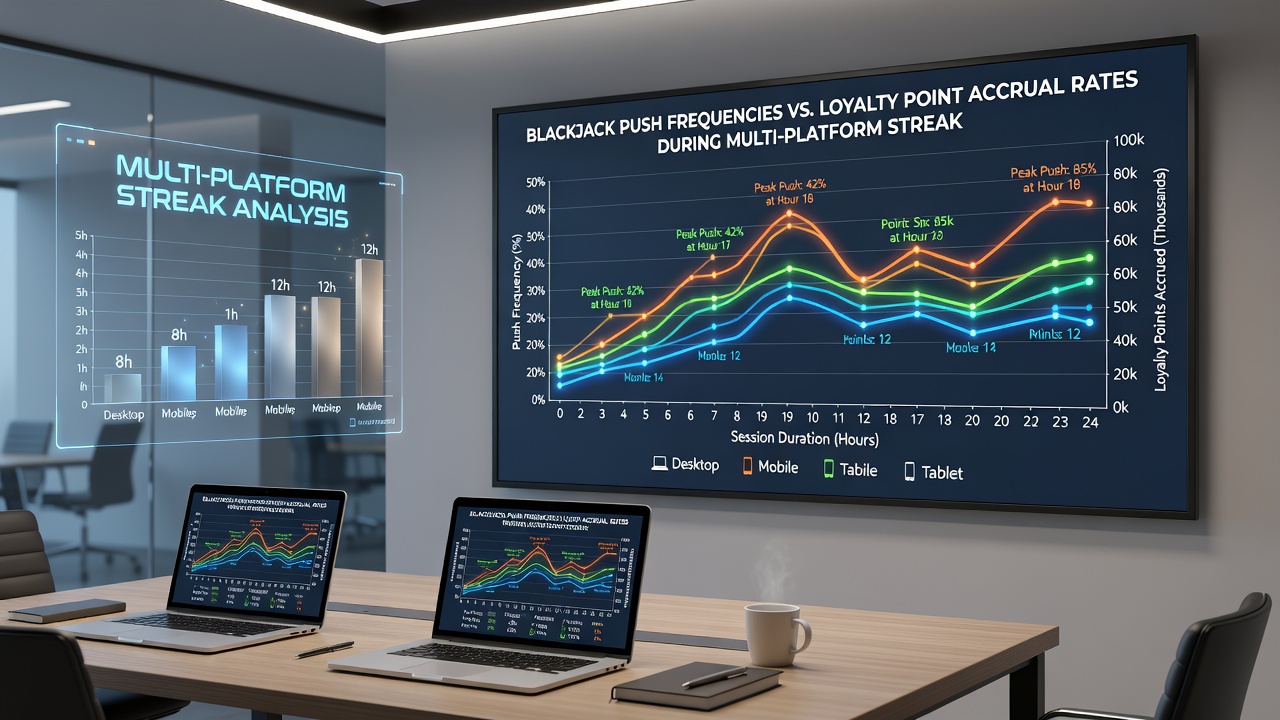
Tracking Methods Used by Participants
Many players log individual hand outcomes alongside point totals to identify correlations between pushes and tier advancement, and software tools provided by some platforms allow export of session data for later analysis. According to reports from the Nevada Gaming Control Board, operators must maintain records of all resolved hands, which enables independent verification of push rates during promotional periods. Those who study these records often find that push sequences cluster in short runs, creating brief windows where point accrual continues steadily without wins or losses altering the balance.
Regulatory Context and Reporting Standards
Canadian provincial regulators require operators to publish average return-to-player figures that incorporate push outcomes, and these disclosures help participants estimate how many hands they need to reach specific loyalty milestones during streak events. In July 2026 several multi-state platforms introduced synchronized challenge calendars that align point multipliers across jurisdictions, and early participation data suggests push frequency remains a stable variable even as total hands played rises. Industry reports from the European Gaming and Betting Association further confirm that point systems tied to wager volume rather than results create predictable accrual regardless of individual hand resolutions.
Conclusion
Push frequencies in blackjack interact with loyalty point systems in measurable ways during multi-platform streak challenges, and available data shows consistent patterns across different operators and rule sets. Participants who monitor these interactions can align session timing with point thresholds without relying on win outcomes, while regulatory records provide the underlying statistics needed for accurate charting. As platforms continue to expand concurrent promotions through 2026, the relationship between pushes and accrual rates offers a stable reference point for session planning.